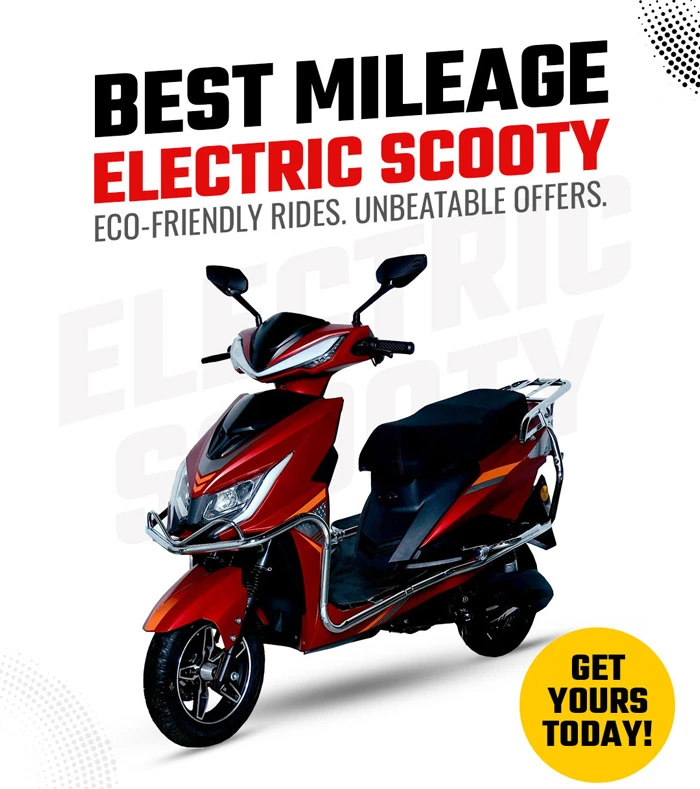
Buying an electric two wheeler scooty is no longer just about saving fuel money. It is about choosing a smarter, cleaner and more economical way to commute daily.
But it is easy to get confused with so many models in the market, attractive offers and government subsidies. Many buyers focus only on battery scooty price and forget to evaluate performance, battery quality or service support.
Before you decide to buy an electric scooty, it is important to understand your real needs and compare features carefully. A little research today can prevent your big expenses tomorrow.
Start with Your Daily Usage
Before comparing brands or features to buy electric scooter you should define how you will actually use the scooty. Your daily routine should guide your decision.
How Many Kilometres Do You Ride Daily?
Are you commuting 15–20 km within the city or travelling longer distances? Remember, real-world range is usually lower than the company’s claimed range due to traffic and riding style. A safe approach is to choose a model offering at least 20–25% more range than your daily requirement.
Who Will Use It?
Will it be used by a college student, office commuter, delivery rider or for family errands? You should always check seat comfort, load capacity and riding posture accordingly.
Battery of an Electric Two Wheeler Scooty
Most buyers make mistakes while evaluating the battery of electric two wheeler scooty. This is the most expensive and important component.
Battery Type and Warranty
Lithium-ion batteries are standard today because they are lightweight and efficient. Look for a warranty of 3–5 years or 40,000–50,000 km. Also ask clearly about battery replacement costs. It can be 30–40% of the vehicle price.
Fixed vs Swappable Battery
- Fixed battery models require a charging socket at home.
- Swappable batteries are useful for apartments without charging access.
Before choosing swappable, confirm whether a swapping network exists in your city.
Charging Time
Standard charging usually takes 4–6 hours. Fast charging is convenient but frequent use may affect long-term battery health.

Motor Power and Performance
Motor capacity is measured in watts (W) or kilowatts (kW).
- 250W models may not require registration or licence, depending on state RTO rules.
- 1kW–3kW motors are suitable for city commuting.
Check torque output for smooth pickup in traffic. Always take a test ride, especially on flyovers or mild inclines, to assess real performance.
Running Cost and Government Subsidy
One of the biggest advantages of an electric scooty is lower running cost. Compared to petrol scooters, the cost per kilometre is significantly lower. A full charge generally costs only a small fraction of a fuel tank refill, depending on local electricity rates.
Check your eligibility under your state EV policy. The FAME II subsidy helps reduce the on-road battery scooty price by offering government incentives. Also confirm insurance, registration, and any additional handling charges before finalizing the deal.
Build Quality, Safety and After-Sales Support
Performance matters, but safety and support matter more in the long run.
Brakes and Suspension
Disc brakes offer better stopping power than drum brakes. Look for Combined Braking System (CBS) for added safety. Suspension quality is important for Indian road conditions with potholes and speed breakers.
Service Network
- How many authorized service centers are available in your city?
- Are spare parts easily available?
- What is the average waiting period for repairs?
Brand Reputation
Read genuine owner reviews. Transparent warranty terms and responsive customer service indicate reliability.
Are Smart Features Useful or Just Marketing?
Modern electric scooties offer digital displays, mobile app connectivity, GPS tracking, reverse mode, cruise control and anti-theft alarms. So, focus on features that improve your safety and convenience rather than flashy extras.
You should avoid paying more for features you may never use. Practical value should be more important than marketing appeal.
FAQ
- What is the real range of an electric scooty?
Usually 15–25% lower than the claimed range due to traffic conditions and riding habits. - How long does the battery last?
Typically 3–5 years depending on maintenance and charging patterns. - Is it safe to charge at home?
Yes, provided you use a proper socket with good wiring and earthing. - Do you need a driving licence?
It depends on motor power and your state regulations. Higher-powered models require registration and licence.
Conclusion
Choosing the right electric two wheeler scooty requires more than checking its price. That’s why you should evaluate battery quality, motor performance, safety features and after-sales support before you buy an electric scooty. Also, a well-informed decision ensures lower running costs, better durability and peace of mind for years to come.
Are you looking to switch to smarter and cleaner mobility? Visit Krishna Electric Vehicles and explore a range of reliable and energy-efficient rides built for today’s roads. Visit us today!