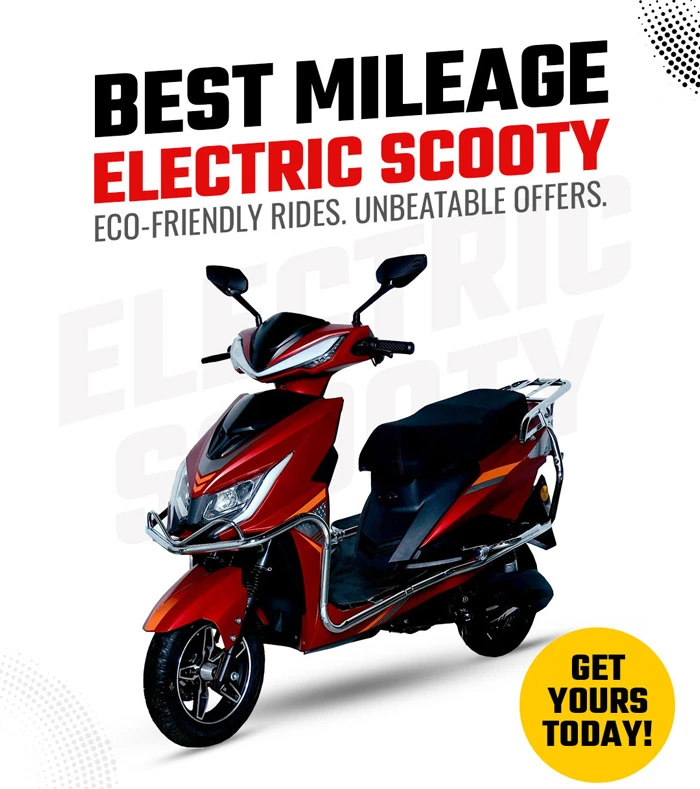
The monsoon in Chandigarh always brings the same question for scooter owners. Is it okay to keep riding, or should the passenger avoid riding the scooter till the rain clears up? The good news is you don’t need to park it away. A well-maintained EV scooter Chandigarh riders use daily can easily get through light and moderate rain without any trouble.
Real trouble usually starts once roads start flooding or when the rain gets so heavy you can barely see ahead. That’s where this guide comes in. We’ll cover what to check before you head out, how to actually read your scooter’s IP rating, and a few small habits that’ll keep it running fine all through the season.
| Table of Contents |
What Does “Water Resistant” Really Mean? A Look at IP Ratings
Almost every EV scooter Chandigarh buyers pick these days comes with an IP rating, but most people never really bother to check what it actually means. IP stands for Ingress Protection, and the code has two digits. The first tells you how well the scooter is sealed against dust, and the second tells you how it holds up against water. Indian EV battery norms require batteries to survive short spells of immersion, which is why most reputed brands keep their battery rating around IPX7.
In real riding terms, a rating of 5 means the scooter can handle low-pressure water jets, so light rain won’t be a problem. A 6 rating means it can take on strong water jets, which covers heavy rain and the spray kicked up by other vehicles on the road. A 7 rating means the scooter can survive temporary immersion, usually up to about 30 minutes, so riding through shallow waterlogged patches is safe. An 8 rating goes further still, covering continuous submersion, which means the motor stays protected even if the scooter is standing in water for a while.
It’s worth remembering that these ratings come from lab testing. They give you a good sense of how a scooter will perform, but they’re not a guarantee against every real-world situation, especially prolonged exposure or deep flooding.
Riding Smart: What Changes When the Roads Are Wet
Can you safely take your scooter out in a light drizzle? Yes, it is, but you will need to adjust the way you ride. Wet roads reduce grip considerably and increase your braking distance by quite a good margin.
- Reduce your speed by around 20 percent
- Avoid sudden turns or quick lane changes
- Use your headlamp even during the day
- Avoid night rides in the rain if at all possible
- Leave a gap of roughly 3 seconds between you and the vehicle in front
- Avoid hard braking, ease into it instead
Riders often ask about electric scooter mileage per charge during monsoon as well, since range can dip slightly due to extra caution and the usual stop-start riding in traffic. It is a good idea to charge a little more often during this season instead of pushing the battery to its limit every time.
If you are comparing models, do check the electric scooter mileage per charge figures under real riding conditions, and not just the brochure numbers, as this gives you a much better sense of what to actually expect. It is always better to ask your dealer for the actual electric scooter mileage per charge during monsoon specifically, since wet weather riding tends to bring the number down a bit compared to dry season figures.
Where to Draw the Line: Waterlogging and Heavy Rain
Can you ride through waterlogged roads? No, and this is one rule that should never be broken, regardless of your scooter’s IP rating. Chandigarh does see its fair share of waterlogged stretches during heavy spells, and these tend to hide potholes, debris, and open manholes that you simply cannot see. Water above the floorboard is a strict no, no matter how confident you may feel about your EV scooter Chandigarh model’s build quality.
Warning Signs to Watch For
How do you actually know if your scooter has real water damage? Do watch out for warning lights on the display, unusual clicking or buzzing sounds, visible corrosion around the connectors, a sudden drop in range, or any burning smell. If you notice even one of these signs, it is best to head to your nearest electric scooter Chandigarh showroom right away rather than simply waiting it out.
Parking, Storage, and Everyday Habits
Do store the battery indoors if it happens to be removable, charge it indoors using a proper socket, use a waterproof cover while parking outside, and try to park on slightly higher ground wherever possible. These small habits will protect your EV scooter Chandigarh investment far better than most people expect.
Getting Ready for Dry Season Again
Once the rains ease off, get your brakes and tyres inspected, have the electrical system checked, and get the moving parts lubricated as well. Most warranties on an EV scooter Chandigarh dealership sells cover this kind of routine care, so it is worth checking what your plan actually includes before paying out of your own pocket.
In case you are also planning to buy a new EV this year, weight and comfort matter a lot more than people usually realize. The Yakuza electric scooter weight is on the lighter side as compared to many competitors, which makes it much easier to handle in stop-start traffic and tight parking spots. Riders switching over from a heavier model often notice the difference right away, especially during monsoon when good handling matters even more. Along with Yakuza electric scooter weight, it is also worth checking the ground clearance, since that affects how confidently you can ride through minor waterlogged patches. Do ask about Yakuza electric scooter weight specifically if you plan on parking it on an upper floor or carrying it up a ramp on a regular basis.
Final Thoughts
Monsoon riding is not really about parking your scooter for three months and simply waiting it out. It is about riding a little smarter, checking your scooter regularly, and knowing when to simply avoid the road altogether. Do check the weather and waterlogging situation before heading out, adjust your riding style on wet roads, and stay on top of maintenance through the season.
If you are looking to buy, service, or get your current EV scooter Chandigarh checked before the rains intensify, do visit Krishna Electric Vehicles in Chandigarh. Their team will be happy to guide you on the right model for your commute, help you with pre-monsoon servicing, and make sure you are riding safe throughout the season.
FAQs
Can I ride my electric scooter in light rain?
Yes, you can. Most electric scooters handle light to moderate rain quite well. Just reduce your speed, avoid sudden braking, and use your headlamp for better visibility.
What does an IP rating mean for my electric scooter?
It basically tells you how well the scooter is protected against dust and water. A higher second digit means better water resistance, but it is still not a guarantee against deep flooding.
Will riding in the rain void my warranty?
No, normal rain riding will not void your warranty. Damage from deep water immersion usually falls outside standard coverage, so do check your specific terms once.
What should I do immediately after my scooter gets wet?
Turn it off, move it to a dry area, remove and dry the battery, and avoid charging it for at least 24 hours.
How deep can I ride through water on an electric scooter?
Please avoid riding through any water above the floorboard. Hidden potholes and debris make waterlogged roads risky, regardless of your scooter’s rating.
Do I need a rain cover for my scooter during monsoon?
If you park outdoors, then yes. A waterproof cover protects the finish and keeps moisture away from the key components.